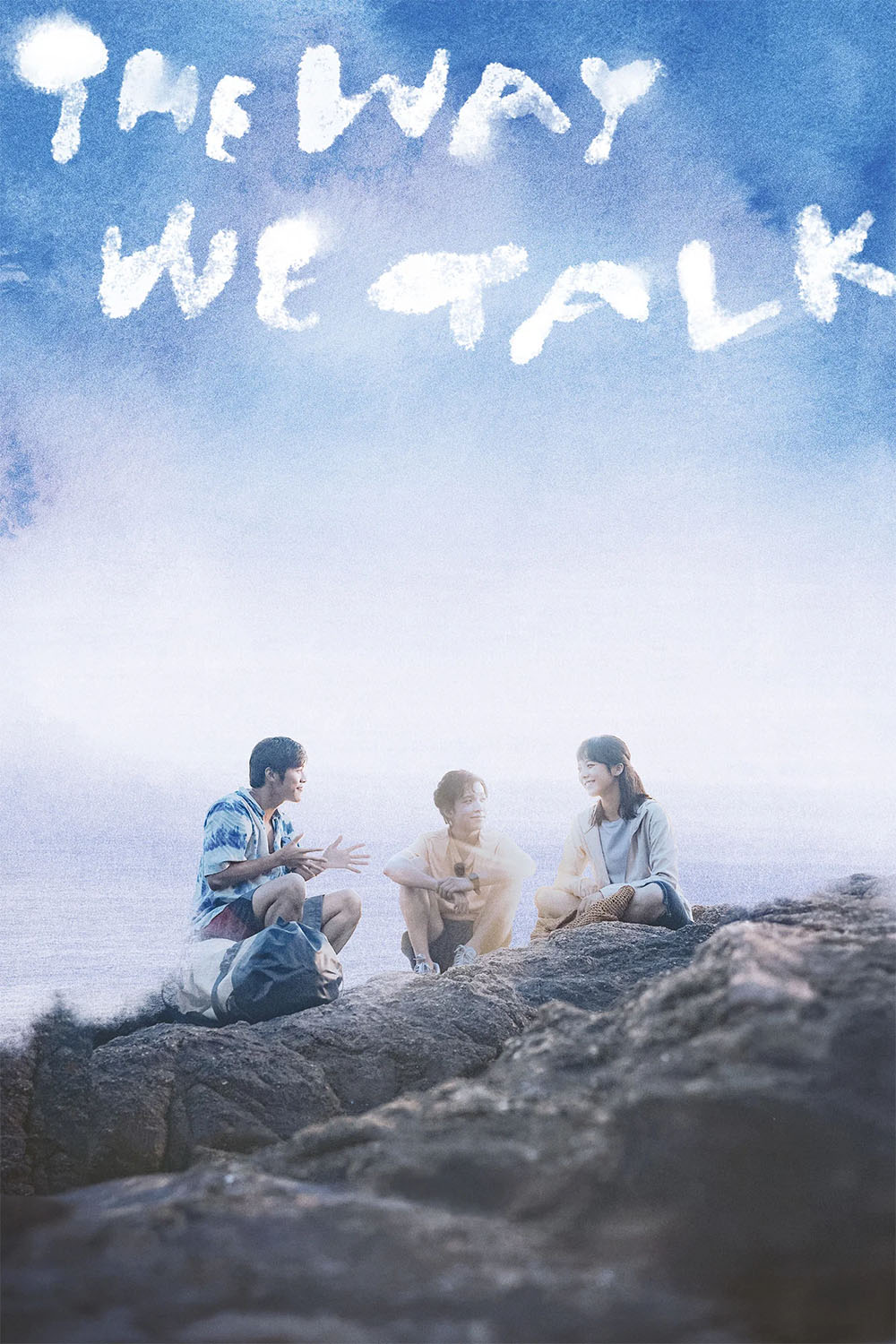
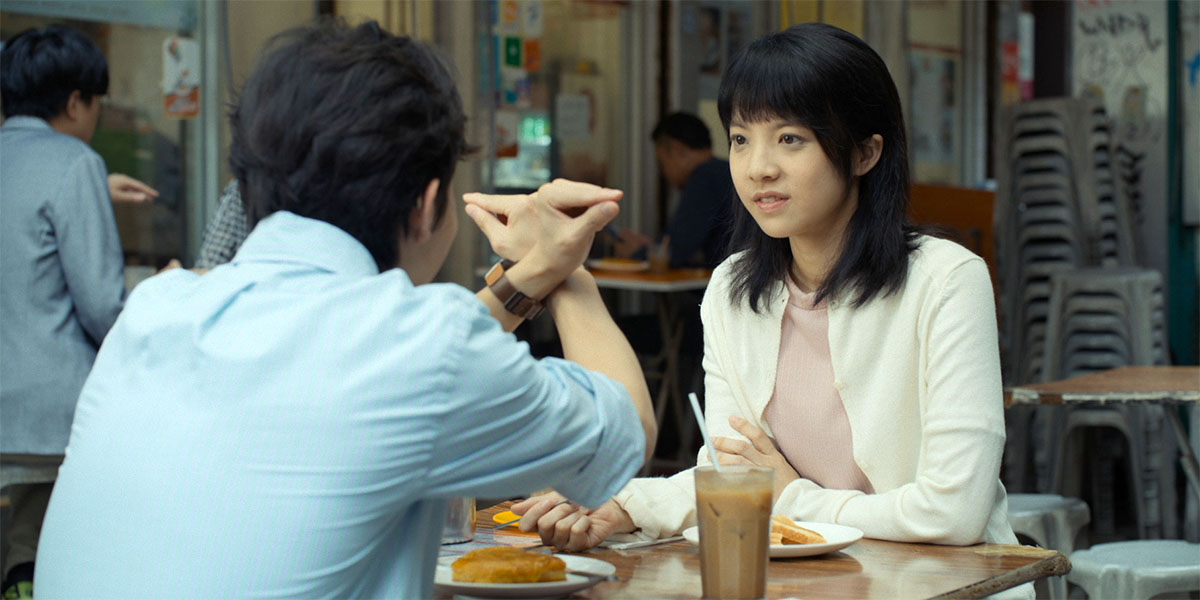
Adam Wong has shown himself to be one of the most accomplished filmmakers currently working in Hong Kong; he previously directed the excellent ‘She Remembers, He Forgets’, which I have reviewed separately on this site. ‘The Way We Talk’ has increased his repute in Asia, but perhaps this might also be the film to get him international attention.
Deaf Hong Kong youth Wolf grew up in an era when sign language was frowned upon in polite society, with a focus purely on new cochlear implant technology. Nevertheless, Wolf has fought to keep deaf culture alive and rallies against its erasure by society, especially by fellow deaf people who are championing CIs. Wolf’s friend, Alan, works as a photographer and spokesperson for deaf causes, though his own experience means that he is less hostile to CIs. Into this dynamic comes recent CI recipient Sophie, who wants to integrate into wider society, an act of appeasement that sickens Wolf. Yet their varied experiences begin to help them evolve in their understanding of friendship and society.
I do appreciate a film about friendship and ‘The Way We Talk’ is a great example of it – combine disparate characters and see how they support each other through life’s ups and downs. But ‘The Way We Talk’ has another dimension, namely the experience of those who have a disability, making this a very rich, thoughtful and often uplifting experience. Good films can lose the viewer in a world they may not completely understand, but have enough of the values and themes common to all. ‘The Way We Talk’ is a fine film about acceptance and identity, trying not to give answers to difficult questions. It juggles its characters very well, never elevating any of them to sainthood, but making them realistic; Wolf, the main protagonist, is stubborn and occasionally frustrating, but has enough depth to make him easy to appreciate.
‘The Way We Talk’ reminded me of ‘Sweet Nothing in My Ear’, a surprisingly powerful television movie that I happened upon a few years ago. All about the desire to keep the culture of signing alive while CIs are becoming prevalent, it offered a window into a collision of beliefs that I hadn’t considered before. ‘The Way We Talk’ gives the same theme a Hong Kong twist and we can be very glad of it – I cannot imagine this film being made in any other Asian country. With subtle music cues, realistic situations and a sense of modesty, ‘The Way We Talk’ is everything I love about Hong Kong cinema. Never sentimental but deeply affecting, never patronising but sensitive to the issues, ‘The Way We Talk’ is highly recommended. Kudos to the excellent cast, superior writing and a director who should be treasured by local audiences.